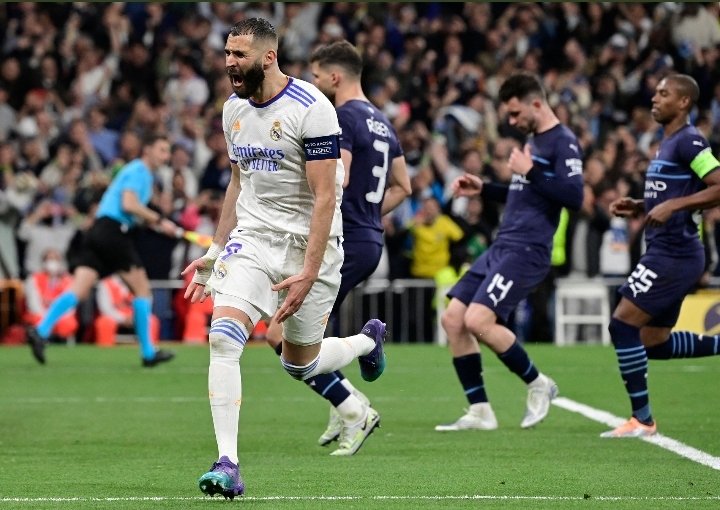
It’s always exciting to watch a major cup. Football supporters liken these games to holidays because they let people enjoy the suspense, drama, and emotion of the game without having to worry about where their team stands in the rankings or how they are doing in terms of scoring.
You can support any player who gives it his all, root for whatever side you like, or just watch both teams play as you, please. However, a comparable occurrence occurs every four years, unavoidably, one or two players will be called “The Next Big Thing,” at which point everyone will begin to associate with them. Not only does the narrative concern what these athletes do off the pitch; but it also discusses how they appear in photographs taken with other well-known people and then posted online. Continue reading “Premier League Signings Influenced by Recent Tournament”

 The return of Premier League players to their clubs will depend on how far England’s national team advanced in the World Cup.
  Here are three players that Manchester United will pursuing January onwards:
 Liverpool came into the home game with Dutch giants Ajax on the back of the humiliating 4-1 defeat at the hands of Napoli and they needed to bounce back with both result and performance at the expense of an Ajax team which started their Group A campaign with an impressive 4-0 win at home to Rangers. Liverpool were able to deliver a good performance plus a good result at the end of their latest Champions League meeting with Ajax. The Reds were the better side and they were good value for their win thanks to the late header produced by the aforementioned Matip.
 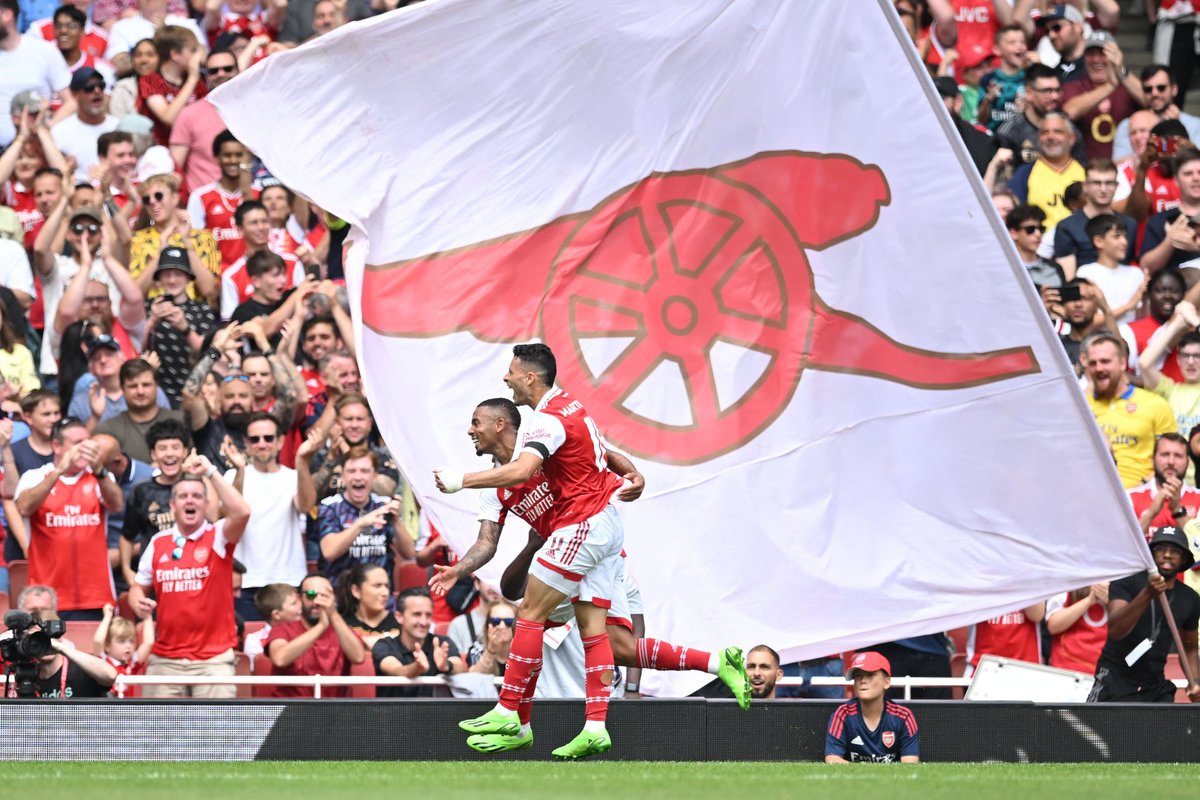 Martinelli has been a regular in the Arsenal starting XI during pre-season football this summer. The Brazil international is the first choice for Arsenal manager Mikel Arteta on the left side of the attack.
  The Portuguese international had initially joined the club last summer on a two-year deal until 2023. But if Manchester United trigger the extension clause, Ronaldo could be contractually bound to the club until 2024, which may not only improve Manchester United’s chances of keeping the striker but also fetch a better price for the player.
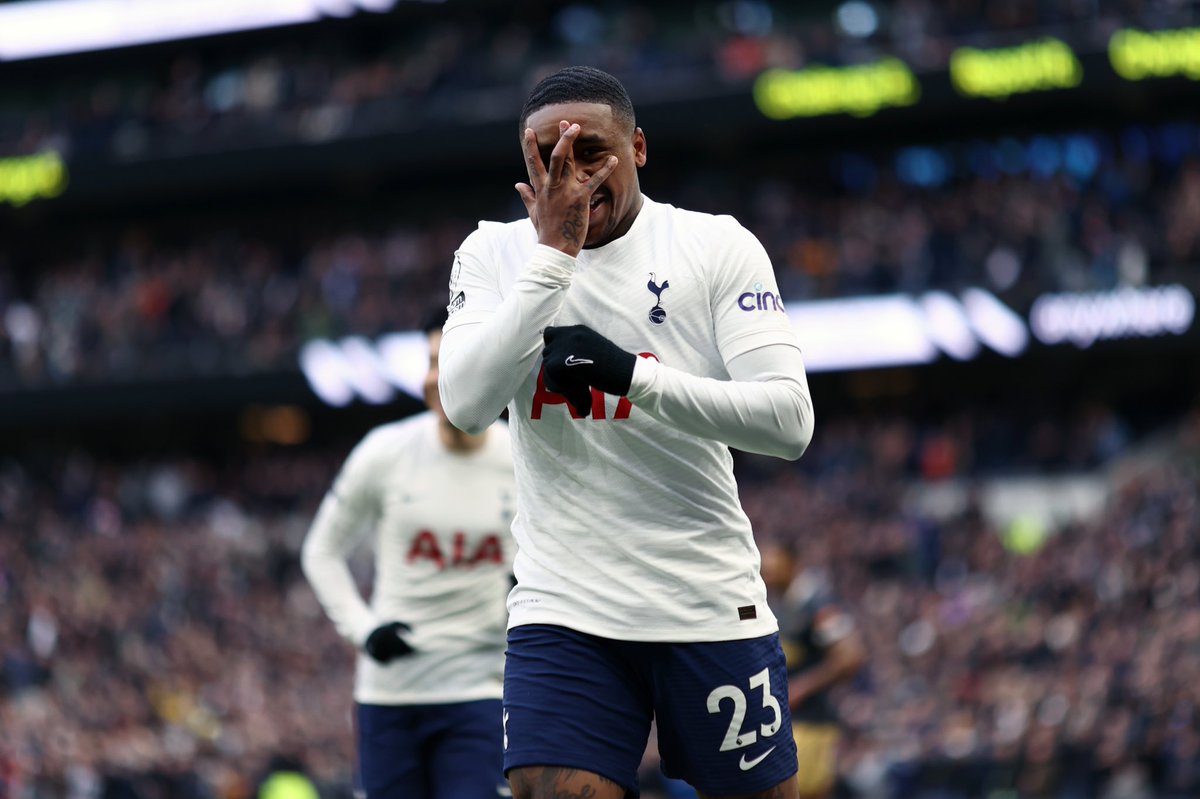
 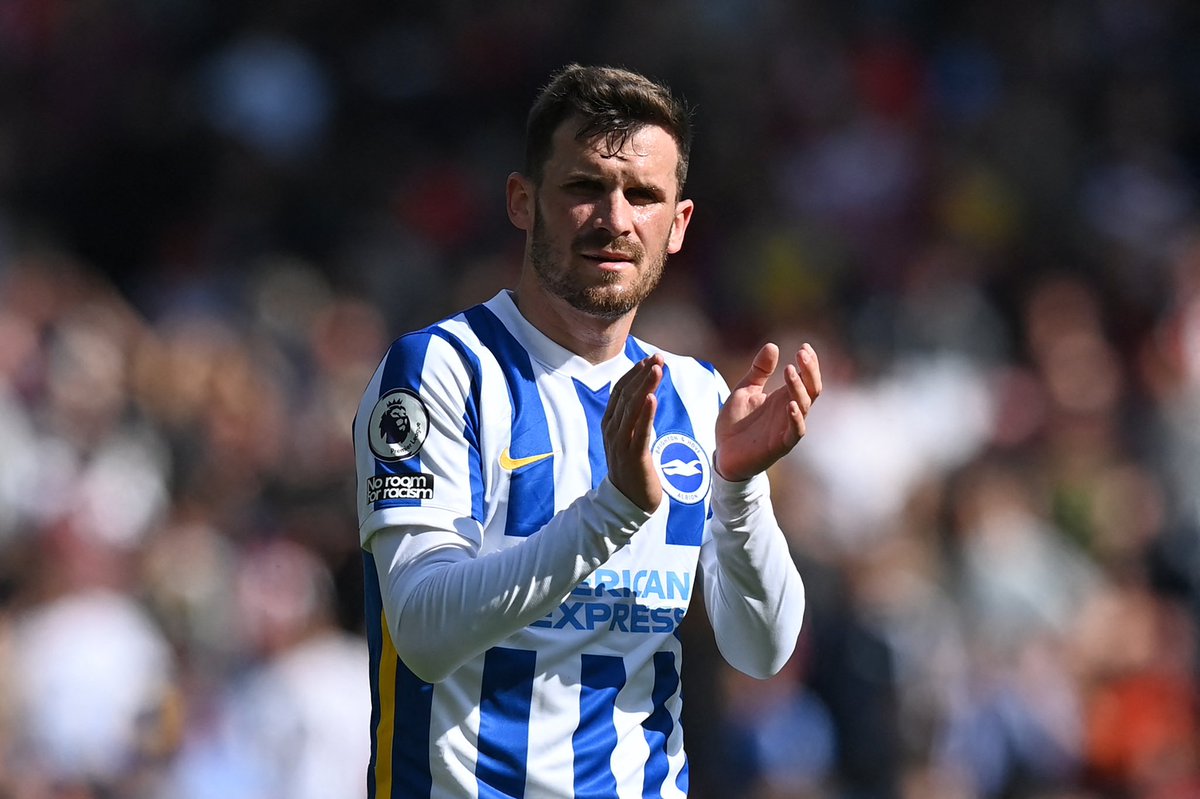 Ajax were keen on signing Bergwijn during the winter transfer window at the start of this year, but Spurs blocked the move. Tottenham Hotspur didn’t want to weaken their team by sanctioning an exit fir the player in January. The Dutch champions are back for their transfer target once again and they would be hoping to seal a deal for him this summer after the failure to lure him away from his North London club earlier in the year.